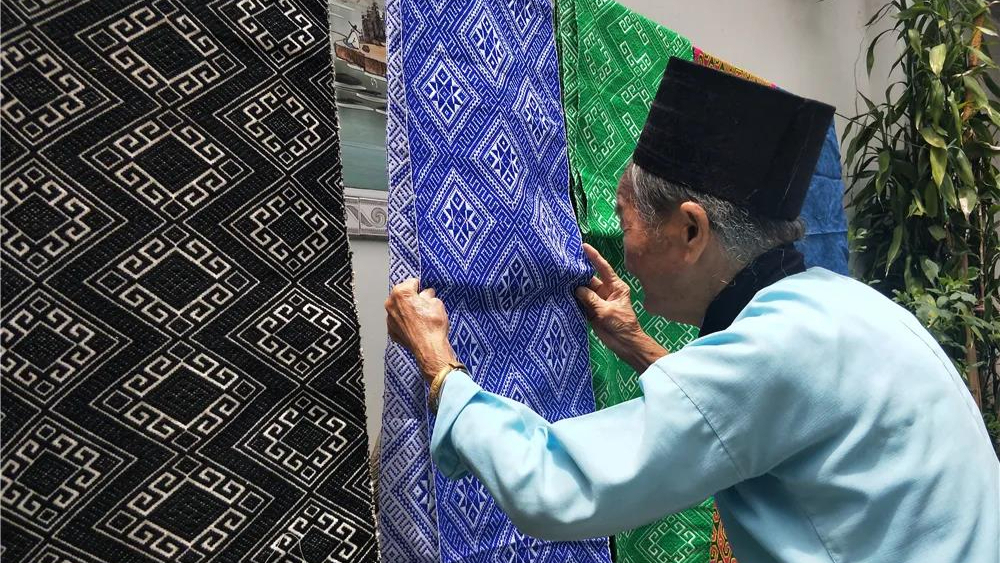
Dai Brocade
Introduction
Dai brocade is a stunning traditional textile art form originating with the Dai people, one of China's 56 officially recognized ethnic groups. This intricate weaving is celebrated for its vibrant colors, elaborate patterns, and deep cultural significance, embodying the rich heritage and artistic ingenuity of the Dai. "Brocade" typically refers to a fabric featuring a raised, often ornate, pattern, sometimes incorporating gold or silver threads. Dai brocade lives up to this definition, showcasing the unique aesthetic and craftsmanship of Dai culture. Primarily used for clothing, decorative items, and ceremonial purposes, it serves both functional and symbolic roles within Dai society.
Historical Background and Origin
The history of Dai brocade stretches back centuries, intricately interwoven with the cultural and social fabric of the Dai people, who primarily reside in southern China, particularly Yunnan province. Living in this lush, tropical environment, and with proximity to Southeast Asia, the Dai have been deeply influenced by their surroundings. This influence is beautifully reflected in their artistic traditions, including their textile production. It is believed that Dai brocade emerged from a need to create both durable and beautiful fabrics for everyday life, as well as for special occasions like weddings, religious ceremonies, and festivals.
Over time, Dai brocade's weaving techniques and designs evolved, incorporating motifs inspired by nature – flowers, birds, and geometric patterns – symbolizing the Dai people's harmonious relationship with their environment. The art of brocade weaving was traditionally passed down through generations, with women playing a pivotal role in preserving and developing this craft. The introduction of more sophisticated weaving tools and methods during the Ming (1368–1644) and Qing (1644–1911) dynasties further enhanced the complexity and diversity of Dai brocade patterns.
Key Characteristics and Features
Several distinctive characteristics set Dai brocade apart. The fabric is typically woven from silk or cotton threads, naturally dyed with pigments derived from plants and minerals. This results in vibrant, long-lasting colors that are a hallmark of Dai brocade's visual appeal. The weaving process is intensely intricate, requiring highly skilled artisans to meticulously interlace threads on traditional wooden looms. It can often take weeks, or even months, to complete a single piece.
The patterns and motifs of Dai brocade are deeply symbolic, often reflecting themes of nature, spirituality, and cultural identity. Common designs include lotus flowers, peacocks, elephants, and water ripples, each carrying specific meanings related to prosperity, beauty, and the Dai people's reverence for water. The symmetrical and repetitive nature of the patterns also speaks to the precision and inherent mathematical understanding of the weaving process.
Beyond its aesthetic qualities, Dai brocade is valued for its durability and versatility. The fabric is used to create a wide range of items, from traditional Dai clothing like sarongs and jackets, to decorative pieces such as wall hangings, table runners, and cushions. This adaptability has allowed Dai brocade to remain relevant even today, finding applications in contemporary fashion and interior design.
Major Components and Structure
The production of Dai brocade involves several key steps, each contributing to the final product's quality and beauty. It all starts with selecting raw materials, typically silk or cotton, which are then carefully prepared and naturally dyed. This dyeing process is crucial, as it dictates the vibrancy and longevity of the colors. Artisans often rely on traditional recipes, passed down through families, to achieve the desired shades.
Once the threads are dyed, they are arranged on a loom, which serves as the foundation for weaving. Traditional Dai looms are manually operated and require considerable skill to use effectively. The weaving itself involves interlacing the warp (vertical threads) and weft (horizontal threads) in a specific sequence to create the desired patterns. This stage requires precision, patience, and creativity, as artisans must ensure that the motifs are symmetrical and consistent throughout.
The final stage involves finishing touches: trimming excess threads, ironing the fabric, and sometimes adding embellishments like embroidery or sequins. These details enhance the visual appeal of the Dai brocade and make it suitable for its various uses.
Significant Developments and Evolution
Over the centuries, Dai brocade has evolved significantly, reflecting broader cultural, technological, and economic changes. Initially, Dai brocade was primarily made for local use, serving as a symbol of ethnic identity and a medium for artistic expression. However, as trade routes expanded and cultural exchange increased, Dai brocade gained recognition beyond the Dai community, attracting interest from neighboring regions and even international markets.
The introduction of modern textile machinery in the 20th century presented both challenges and opportunities. While mechanized production threatened traditional weaving techniques, it also allowed artisans to experiment with new materials, patterns, and applications, ensuring the art form's survival in a rapidly changing world. Efforts to preserve and promote Dai brocade have been supported by government initiatives, cultural organizations, and academic research, highlighting its importance as cultural heritage.
In recent years, Dai brocade has enjoyed a resurgence in popularity, fueled by growing interest in sustainable and artisanal products. Designers and artists are incorporating Dai brocade into contemporary fashion collections, home decoration, and art installations, showcasing its timeless appeal and adaptability. This renewed attention has also inspired initiatives to train new generations of weavers, ensuring the tradition continues to flourish.
Photo Gallery(2 pictures)CategoriesCultural HeritageTagIntangible Cultural HeritageEthnic CultureCatalogue1. Introduction2. Historical Background and Origin3. Key Characteristics and Features4. Major Components and Structure5. Significant Developments and Evolution-
- []








